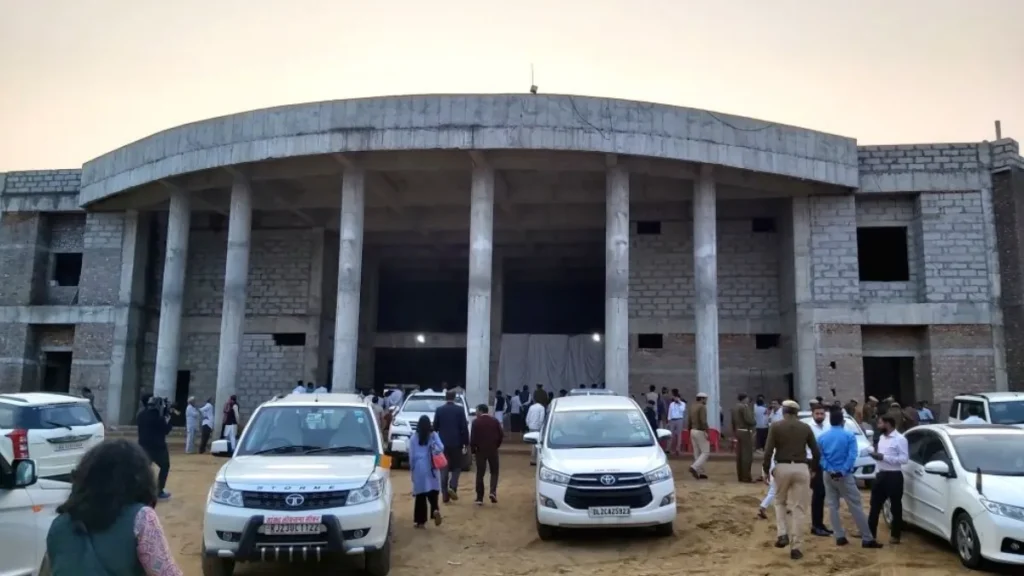
Rakhigarhi Museum offer a fascinating window into one of the oldest urban civilizations in human history, bringing alive the story of ancient India in a way that is both engaging and deeply educational.
Introduction to Rakhigarhi and Its Historical Importance
Located in the state of Haryana, Rakhigarhi is one of the largest known sites of the Indus Valley Civilization. This ancient settlement dates back over 4,500 years and is considered even larger than famous sites like Harappa and Mohenjo-daro.
Rakhigarhi has gained significant attention in recent years due to ongoing excavations and discoveries that continue to reshape our understanding of early urban life in India. The establishment of Rakhigarhi museums has played a key role in preserving and showcasing these invaluable findings for both scholars and the general public.
The Concept Behind Rakhigarhi Museum
Rakhigarhi museum are designed to serve as cultural and educational centers that highlight the rich heritage of the Indus Valley Civilization. These museums aim to bridge the gap between ancient history and modern audiences by presenting artifacts, reconstructions, and research findings in an accessible and engaging manner.
The idea is not just to display objects but to tell a story. Visitors can explore how people lived, worked, traded, and organized their cities thousands of years ago. Through carefully curated exhibits, Rakhigarhi museums bring history to life in a way that textbooks often cannot.
Rakhigarhi Museum and Their Unique Collections
Ancient Pottery and Tools
One of the most striking features of Rakhigarhi museums is the display of ancient pottery and tools. These items provide insight into the daily lives of the people who lived in this advanced civilization.
The pottery often features intricate designs and patterns, reflecting both artistic skill and cultural identity. Tools made from stone, copper, and bronze show how people engaged in farming, construction, and craftsmanship.
Jewelry and Ornaments
Rakhigarhi museums also house a stunning collection of jewelry and ornaments made from semi-precious stones, shells, and metals. These items highlight the advanced skills of ancient artisans and the importance of trade networks.
The presence of materials that were not locally available suggests that Rakhigarhi was connected to distant regions through well-established trade routes.
Seals and Script
Among the most intriguing exhibits in Rakhigarhi museums are the seals bearing symbols of the undeciphered Indus script. These seals were likely used for trade and administration.
The mystery of the script continues to attract researchers and historians, making these exhibits both fascinating and thought-provoking for visitors.
The Role of Rakhigarhi Museum in Education
Bringing History to Life
Rakhigarhi museum play an important role in making history accessible to students and visitors of all ages. By presenting information in a visual and interactive format, these museums help people understand complex historical concepts more easily.
School groups, researchers, and tourists can all benefit from the educational programs and guided tours offered at these museums.
Encouraging Research and Exploration
These museums are not just for display; they also support ongoing research. Archaeologists and historians use the collections and findings from Rakhigarhi to study ancient urban planning, social structures, and cultural practices.
Rakhigarhi museums thus act as centers of learning and discovery, encouraging further exploration into India’s past.
Architectural Features and Museum Design
The design of Rakhigarhi museums reflects a blend of modern architecture and ancient aesthetics. The layout is often inspired by the grid pattern of Indus Valley cities, providing visitors with a sense of how these ancient settlements were organized.
Exhibits are arranged in a logical sequence, guiding visitors through different aspects of life in the civilization, from daily activities to trade and governance. Interactive displays, models, and digital reconstructions enhance the overall experience.
Rakhigarhi Museum as Tourist Attractions
Growing Popularity
Rakhigarhi museum are becoming increasingly popular among tourists interested in history and culture. As awareness about the site grows, more visitors are making their way to this important archaeological destination.
The museums provide a well-rounded experience, combining historical knowledge with visual storytelling, making them a must-visit for anyone interested in India’s ancient heritage.
Contribution to Local Economy
The development of Rakhigarhi museums has also contributed to the local economy. Increased tourism has created opportunities for local businesses, including hotels, restaurants, and handicraft shops.
This not only boosts economic growth but also helps in preserving and promoting local culture.
Government Initiatives and Development Plans
The government of India has recognized the importance of Rakhigarhi and has taken steps to develop it as a major heritage site. Plans include expanding the museum facilities, improving infrastructure, and promoting the site at both national and international levels.
These initiatives aim to position Rakhigarhi museums as a key destination for cultural tourism, similar to other famous historical sites in India.
Challenges Faced by Rakhigarhi Museum
Despite their importance, Rakhigarhi museums face several challenges. These include the need for better infrastructure, increased funding, and more awareness among the public.
Preservation of artifacts is another major concern, as many items are fragile and require careful handling and storage. Addressing these challenges is essential for ensuring the long-term success of these museums.
The Future of Rakhigarhi Museum
The future of Rakhigarhi museums looks promising, with ongoing research and development efforts expected to bring new discoveries and improvements. As more artifacts are uncovered and studied, the museums will continue to evolve, offering fresh insights into the Indus Valley Civilization.
There is also potential for the use of advanced technologies such as virtual reality and digital simulations to enhance the visitor experience.
Why Rakhigarhi Museum Matter Today
In today’s fast-paced world, Rakhigarhi museum serve as a reminder of the deep historical roots of Indian civilization. They highlight the achievements of ancient societies and provide valuable lessons about urban planning, sustainability, and cultural diversity.
By preserving and showcasing this heritage, Rakhigarhi museums help us connect with our past and understand our present more clearly.
Also read: Rakhigarhi: Discover India’s Largest Indus Valley Civilization Site
Conclusion
Rakhigarhi museum are more than just repositories of ancient artifacts; they are gateways to a remarkable chapter in human history. Through their rich collections, educational initiatives, and cultural significance, these museums offer a unique and meaningful experience for visitors.
As they continue to grow and develop, Rakhigarhi museums will play an even greater role in preserving India’s heritage and sharing it with the world.