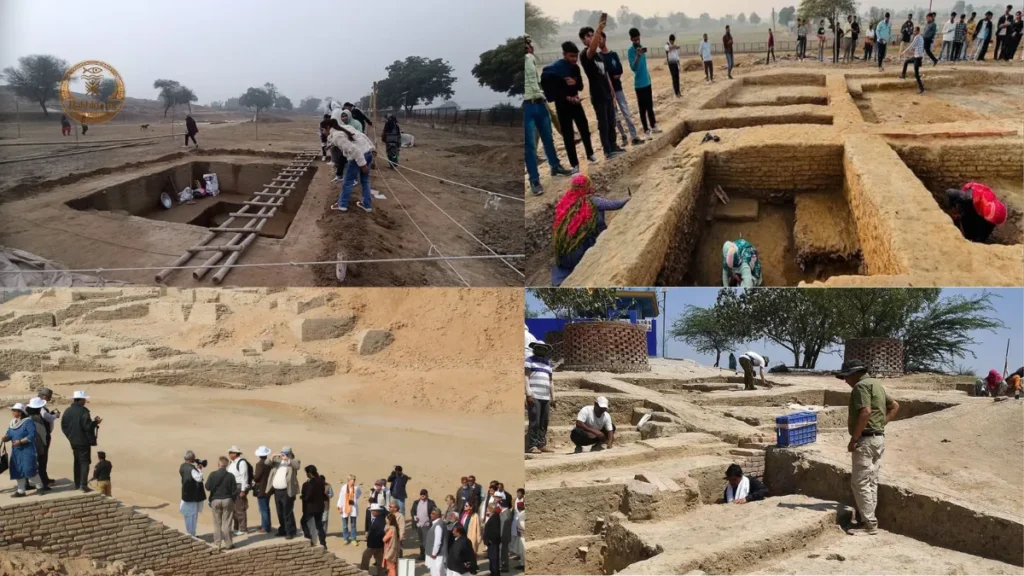
The Rakhigarhi project in Haryana has emerged as the most expensive ongoing excavation being undertaken by the Archaeological Survey of India (ASI), with expenditure reaching Rs 2,16,25,300 so far. Union Culture Minister Gajendra Singh Shekhawat informed the Lok Sabha that the ASI is currently carrying out 16 excavation projects at archaeological sites across the country.
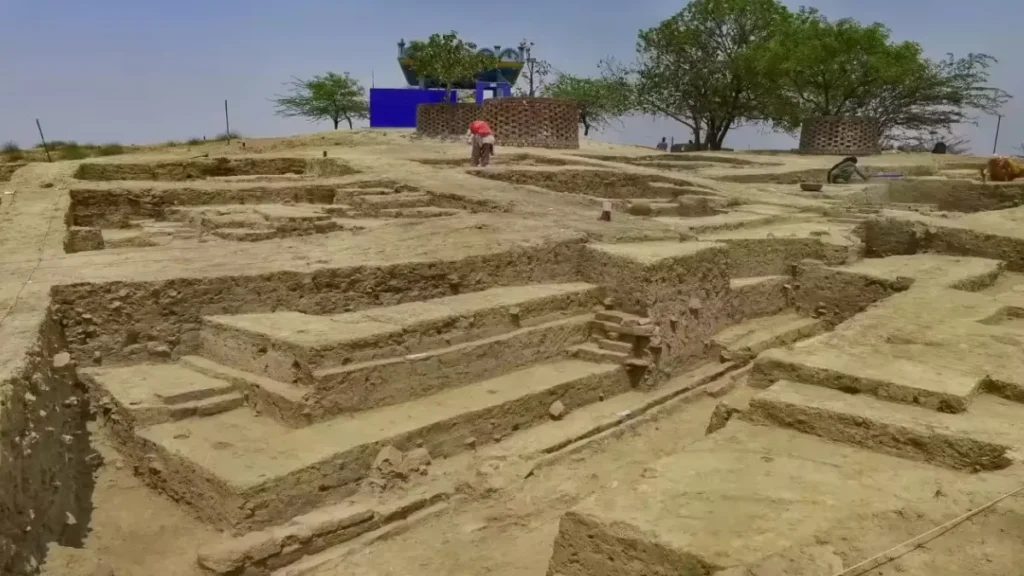
Located in Hisar district, Rakhigarhi is one of the most important archaeological sites associated with the ancient Harappan or Indus Valley Civilization. The site lies in Narnaund Tehsil, around 170 km northwest of Delhi, and has attracted considerable attention because of its size, antiquity and the discoveries made during archaeological investigations.
Rakhigarhi Among the Largest Harappan Settlements
Rakhigarhi is believed to date back to around 6,000 BCE and is regarded as one of the oldest and largest known settlements linked to the Indus Valley Civilization. The archaeological complex consists of seven major mounds spread across more than 350 hectares.
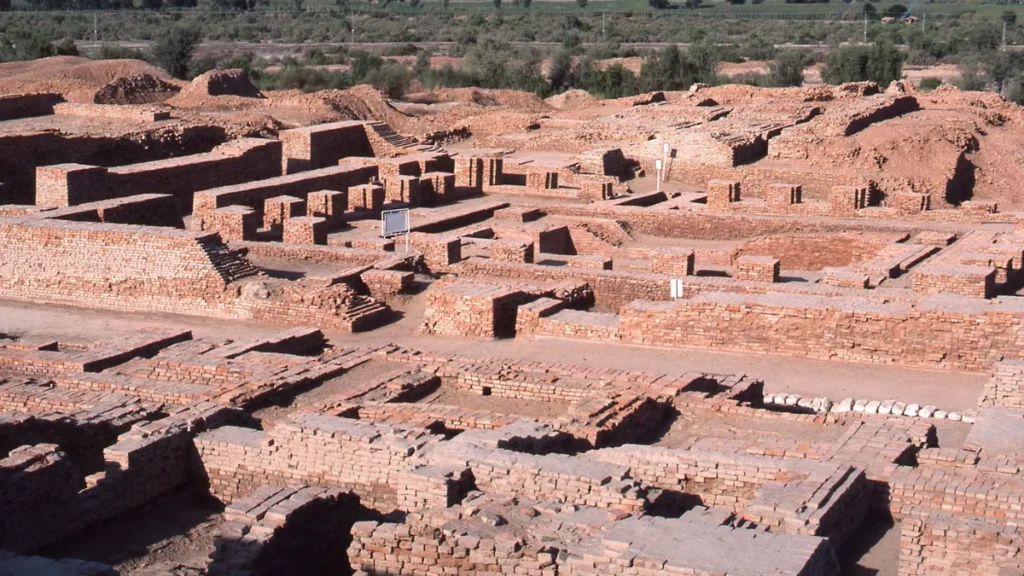
The present-day village has developed directly over three of these ancient mounds, making archaeological conservation and excavation particularly significant. Investigations at the site have revealed evidence of a carefully planned settlement, including structural remains, granaries, fortified walls, streets and an advanced drainage network.
Several important artefacts and human remains have also been recovered from the site. These include 56 structural skeletons, terracotta toys, inscribed steatite seals and a copper mirror. Such discoveries have provided researchers with valuable evidence about the lifestyle, technology, burial practices and urban organization of people who lived in the region thousands of years ago.
ASI Conducted 25 Excavation Projects in 2025
According to the information provided by the Culture Minister in Parliament, the ASI carried out 25 excavation projects in 2025. It had undertaken 22 projects in 2024, 19 in 2023, 31 in 2022 and 24 in 2021.
The excavation programmes have focused on uncovering structural remains, burials and pottery, along with a wide range of antiquities. These finds include coins, beads, ornaments, agricultural implements and objects made from bone.
Shekhawat said the ASI is currently working on 16 excavation projects across the country, with the Rakhigarhi project recording the highest expenditure among the ongoing works.
Interpretation Centre and Site Museum Planned
The Haryana government is also working on plans to establish an on-site Interpretation Centre and Site Museum at Rakhigarhi. The facility is expected to provide a dedicated space for displaying artefacts recovered during excavations while helping visitors understand the historical importance of the ancient settlement.
The proposed site is located approximately 12 km from Narnaund town and can be reached by road through the Hisar-Delhi route. The planned visitor facilities are also expected to support heritage tourism in the region.
Also read: Rakhigarhi DNA Explained: What Ancient Genetics Really Says About the Aryan Migration Theory
Excavations Underway at Other Archaeological Sites
Rakhigarhi is not the only major archaeological location currently being investigated by the ASI. Excavation work is also being undertaken in the Bhavnagar and Dwarka regions of Gujarat, Brahmagiri in Karnataka, Piprahwa in Uttar Pradesh, Janampet in Telangana, Madhubani in Bihar and Tiruppur in Tamil Nadu.
These projects cover different periods and archaeological traditions and are aimed at documenting structural remains, artefacts, burials and other evidence that can help researchers understand India’s long and diverse history.
The Culture Minister further informed the Lok Sabha that there has been no court order during the last five years directing the continuation or closure of any of these archaeological projects.
With its extensive remains, ancient settlement planning and growing collection of archaeological discoveries, the Rakhigarhi project continues to hold a prominent place among India’s ongoing archaeological investigations. Its excavation, preservation and proposed museum facilities could further strengthen the site’s importance as a major centre for understanding the Harappan civilization and India’s ancient heritage.
Also read: Rakhigarhi Discover India’s Largest Indus Valley Civilization Site