Rakhigarhi was among the key archaeological sites discussed during a one-day seminar on the Saraswati-Sindhu Civilisation organised by the Centre for Indian Knowledge Tradition at Central University of Haryana (CUH), Mahendragarh.
The seminar brought together historians, archaeologists and representatives from the state archaeology department to discuss the historical and cultural significance of the Saraswati-Sindhu Civilisation, along with recent developments in archaeological research.
Narendra Parmar, Deputy Director in the Department of Archaeology, Government of Haryana, attended the programme along with Prof. Keshav Mishra, an eminent historian from Banaras Hindu University, and noted archaeologist Prof. Jeevan Kharakwal.
The discussions covered several aspects of the civilisation, including archaeological discoveries, historical interpretations and the importance of preserving India’s ancient heritage. Particular attention was given to findings from excavations at Rakhigarhi and other archaeological sites, which continue to contribute to the understanding of early settlements and the development of ancient Indian civilisation.
Rakhigarhi Excavations Highlighted at the Seminar
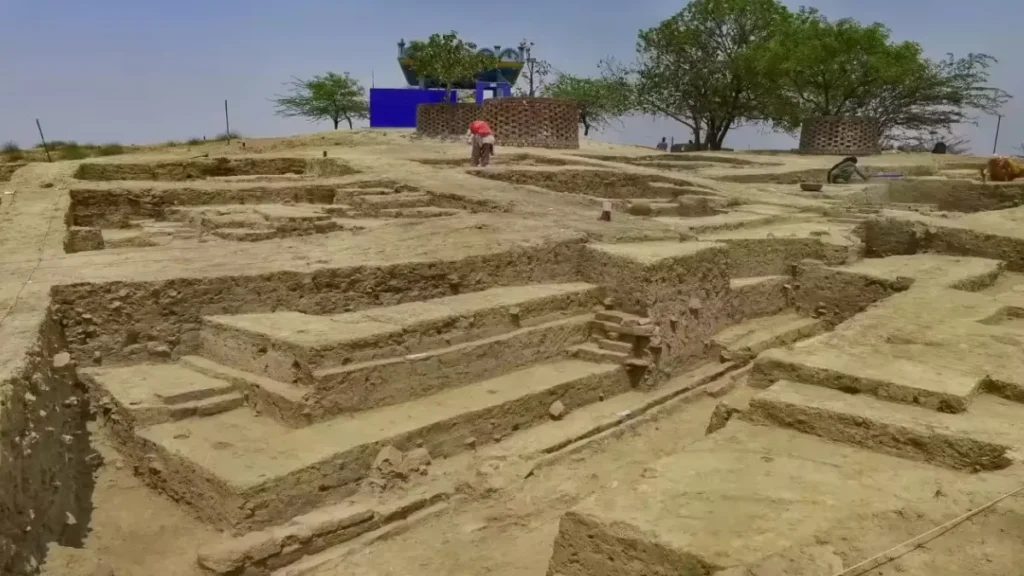
During the programme, Narendra Parmar presented photographs and a detailed presentation highlighting findings from excavations at Rakhigarhi and other archaeological locations. The material provided participants with a closer look at archaeological evidence emerging from these important sites.
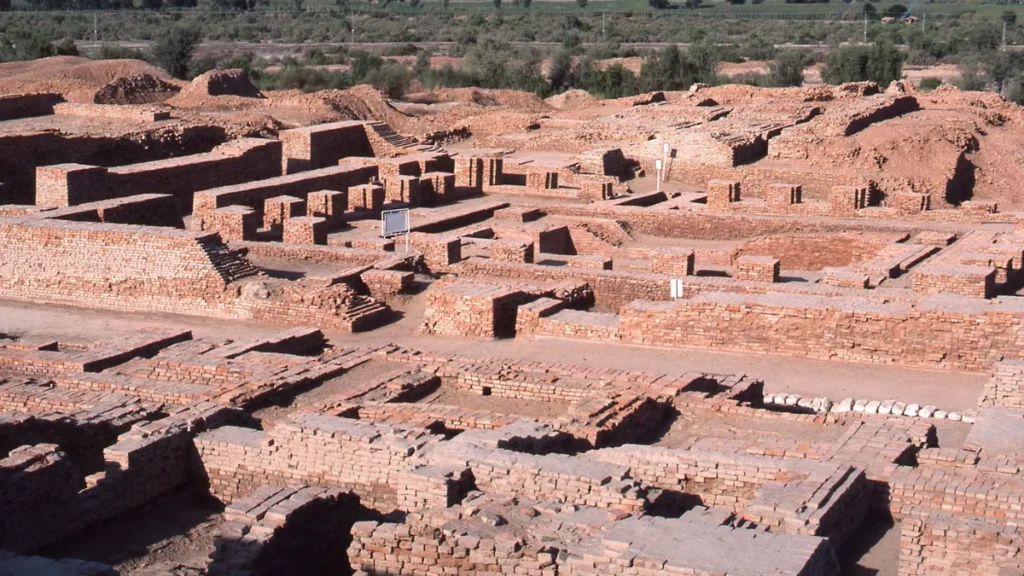
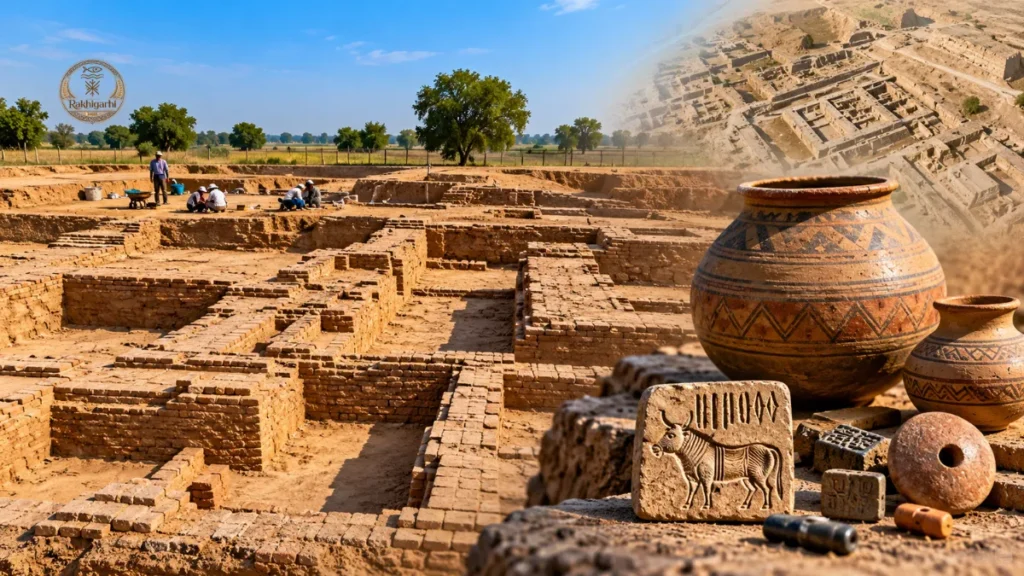
Rakhigarhi is one of the prominent archaeological sites associated with the Indus Valley Civilisation and has attracted considerable attention from researchers because of the scale and significance of its archaeological remains. Discoveries from the site have helped researchers examine aspects of ancient settlement patterns, material culture and the lives of communities that lived in the region thousands of years ago.
The presentation also demonstrated how archaeological excavation and documentation can provide valuable evidence for understanding India’s early history. Photographs of excavation work and archaeological findings formed an important part of the discussion.
Also read: Harappan Knowledge Centre Rakhigarhi: Academics Explore the Ancient Heritage of Rakhigarhi
Focus on Indian History and Knowledge Tradition
Another major theme of the seminar was the contemporary relevance of the Indian Knowledge Tradition. Speakers discussed the historical, cultural and archaeological dimensions of Indian civilisation and stressed the importance of examining India’s past through a wider range of evidence and perspectives.
The experts emphasised that archaeological research, historical studies and the preservation of heritage sites can play an important role in developing a deeper understanding of India’s cultural past.
The seminar also encouraged discussion about how discoveries from archaeological sites such as Rakhigarhi and other ancient settlements can contribute to ongoing research into the development of early societies in the Indian subcontinent.
The participation of academics, archaeologists and government archaeology officials provided an opportunity to bring different areas of expertise together. The event at Central University of Haryana highlighted the continuing importance of archaeological research in studying the Saraswati-Sindhu Civilisation and India’s ancient heritage.
Also read: Rakhigarhi Site Was Discovered By: History, Facts, and Significance of India’s Largest Harappan City