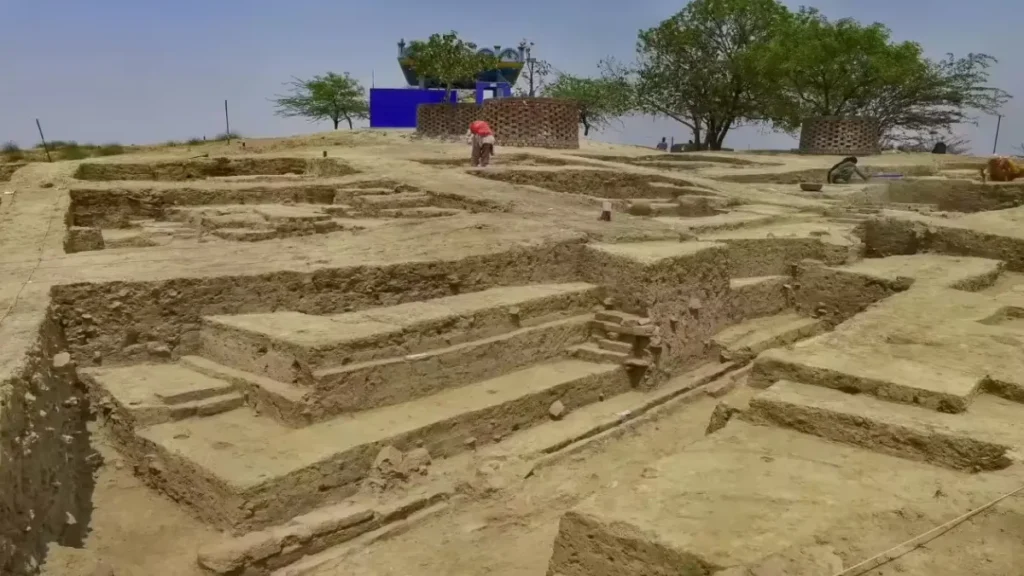
Rakhigarhi is one of the most important archaeological sites in India and is believed to be the largest settlement of the ancient Indus Valley Civilization in the country.
Located in the state of Haryana, this historic site has changed the way historians understand early urban life in South Asia. Over the years, Rakhigarhi has revealed fascinating details about ancient culture, trade, lifestyle, and technology that existed thousands of years ago.
What is Rakhigarhi
Rakhigarhi is an ancient village that sits on the remains of a well-planned city from the Indus Valley Civilization. This civilization dates back to around 2600 BCE and is known for its advanced urban planning and organized lifestyle.
Rakhigarhi is located in the Hisar district of Haryana and covers a very large area, making it even bigger than famous sites like Harappa and Mohenjo-daro. This discovery has made Rakhigarhi extremely important for understanding the true scale of the Indus Valley Civilization.
Historical Importance of Rakhigarhi
Rakhigarhi holds great historical value because it offers deep insights into one of the world’s oldest civilizations. Archaeologists believe that this site was once a major urban center with a large population.
Excavations have revealed that people living in Rakhigarhi had access to advanced systems such as drainage, storage, and structured housing. These findings show that the Indus Valley people were highly skilled in city planning and engineering.
The importance of Rakhigarhi also lies in its ability to connect different parts of ancient India. It suggests that there was strong trade and communication between various cities of the civilization.
Discovery and Excavation of Rakhigarhi
Rakhigarhi was first identified in the 1960s, but major excavations began much later. The Archaeological Survey of India played a key role in uncovering the site and studying its remains.
Over the years, several excavation projects have been carried out by Indian and international teams. These excavations have brought to light houses, pottery, tools, jewelry, and even burial sites.
One of the most interesting discoveries includes human skeletons, which have helped scientists study the DNA of ancient people. These studies aim to understand the origins and migration patterns of early human populations in the region.
Urban Planning and Architecture in Rakhigarhi
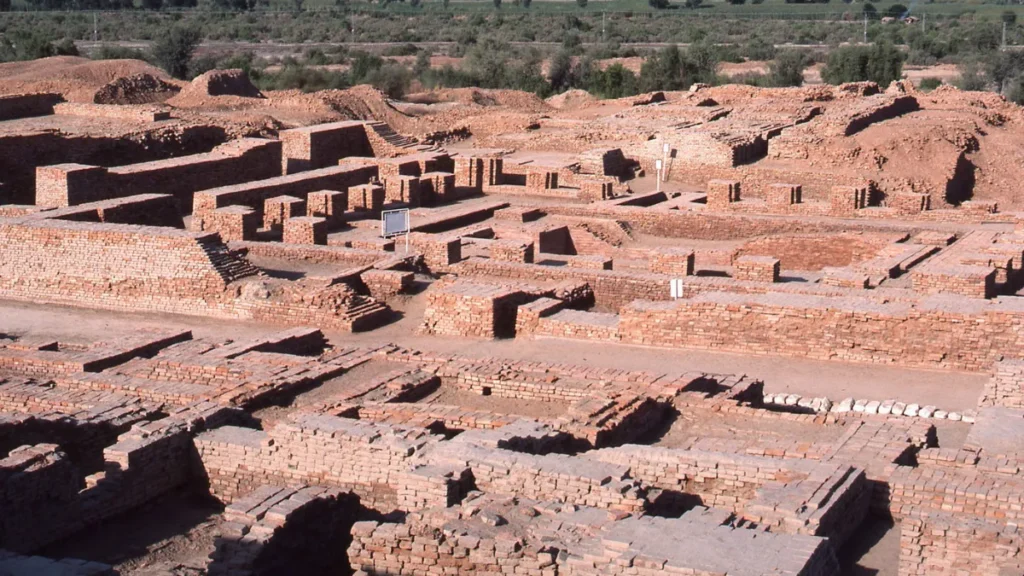
One of the most impressive aspects of Rakhigarhi is its advanced urban planning. The city was carefully designed with proper roads, drainage systems, and residential areas.
The houses were built using baked bricks and were arranged in an organized manner. Many homes had multiple rooms, indicating a comfortable lifestyle. The presence of wells and water storage systems shows that the people had a strong understanding of water management.
The drainage system in Rakhigarhi was highly efficient. Wastewater was directed through covered drains, which helped maintain cleanliness in the city. This level of planning was far ahead of its time.
Daily Life in Rakhigarhi
The people of Rakhigarhi lived a well-organized and peaceful life. They were engaged in various activities such as farming, pottery, and trade.
Agriculture was the main occupation, and crops like wheat and barley were commonly grown. Animals such as cattle, sheep, and goats were domesticated for food and other uses.
Pottery found at the site shows beautiful designs and skilled craftsmanship. Tools made from copper and other materials indicate that people had knowledge of metalworking.
Jewelry made from beads, shells, and stones suggests that people valued decoration and personal appearance. These items also indicate trade connections with distant regions.
Trade and Economy of Rakhigarhi
Rakhigarhi was not an isolated city. It was part of a large trade network that connected different regions of the Indus Valley Civilization.
Artifacts found at the site, such as beads and semi-precious stones, suggest that trade was carried out with faraway places. This shows that Rakhigarhi played an important role in the economic system of the time.
The use of standardized weights and measures indicates that trade was well-regulated. This reflects a high level of organization and trust among traders.
Burial Practices and Cultural Beliefs
Excavations at Rakhigarhi have also revealed burial sites, which provide insights into the beliefs and customs of the people.
The dead were buried in a systematic manner, often with pottery and personal items. This suggests that people believed in life after death or respected the deceased by placing meaningful objects with them.
The study of these burial practices helps researchers understand the social and cultural aspects of the civilization.
DNA Research and Scientific Discoveries
One of the most groundbreaking aspects of Rakhigarhi is the DNA research conducted on human remains found at the site.
Scientists have analyzed ancient DNA to understand the genetic makeup of the people who lived there. These studies have provided valuable information about the origins of the Indus Valley Civilization and its connection to modern populations.
The findings suggest that the people of Rakhigarhi had a unique genetic identity, which adds a new dimension to the study of ancient Indian history.
Rakhigarhi Compared to Harappa and Mohenjo-daro
Rakhigarhi is often compared with other major sites like Harappa and Mohenjo-daro. While all these sites belong to the same civilization, Rakhigarhi stands out due to its size and unique discoveries.
Unlike other sites, Rakhigarhi offers more evidence of rural and urban integration. It shows how people managed both agriculture and city life effectively.
The site also provides new data that helps fill gaps in our understanding of the Indus Valley Civilization.
Tourism Potential of Rakhigarhi
Rakhigarhi has great potential to become a major tourist destination in India. With proper development and promotion, it can attract visitors from around the world.
The government has already taken steps to preserve the site and improve infrastructure. Plans are being made to develop museums, visitor centers, and guided tours.
Tourism at Rakhigarhi can also help local communities by creating job opportunities and boosting the economy.
Challenges in Preserving Rakhigarhi
Despite its importance, Rakhigarhi faces several challenges. One of the main issues is the lack of proper conservation and awareness.
Encroachment and modern construction around the site pose a threat to its preservation. There is also a need for better funding and research facilities to continue excavation work.
Raising awareness about the importance of Rakhigarhi can help protect this valuable heritage for future generations.
Why Rakhigarhi Matters Today
Rakhigarhi is not just an archaeological site; it is a window into the past. It helps us understand how ancient people lived, worked, and built complex societies.
The discoveries made at Rakhigarhi challenge many old theories and provide new perspectives on history. It shows that ancient Indian civilizations were highly advanced and organized.
In today’s world, studying sites like Rakhigarhi can inspire better urban planning and sustainable living practices.
Future of Rakhigarhi Research
The future of Rakhigarhi looks promising as more research and excavation projects are planned. Scientists and archaeologists continue to study the site to uncover more secrets.
New technologies such as satellite imaging and advanced DNA analysis are expected to provide deeper insights. These developments will help create a more complete picture of the Indus Valley Civilization.
With continued efforts, Rakhigarhi can become one of the most significant archaeological sites in the world.
Also Read: What Is Rakhigarhi? Discover India’s Largest Indus Valley Civilization Site
Conclusion
Rakhigarhi stands as a powerful symbol of India’s rich and ancient heritage. It tells the story of a civilization that was far ahead of its time in terms of planning, technology, and culture.
From its well-designed streets to its advanced drainage systems, every aspect of Rakhigarhi reflects the brilliance of the people who lived there thousands of years ago.
As research continues, Rakhigarhi will keep revealing new secrets and deepening our understanding of human history. Preserving and promoting this site is not just important for India but for the entire world.