A New Cultural Landmark Takes Shape in Haryana
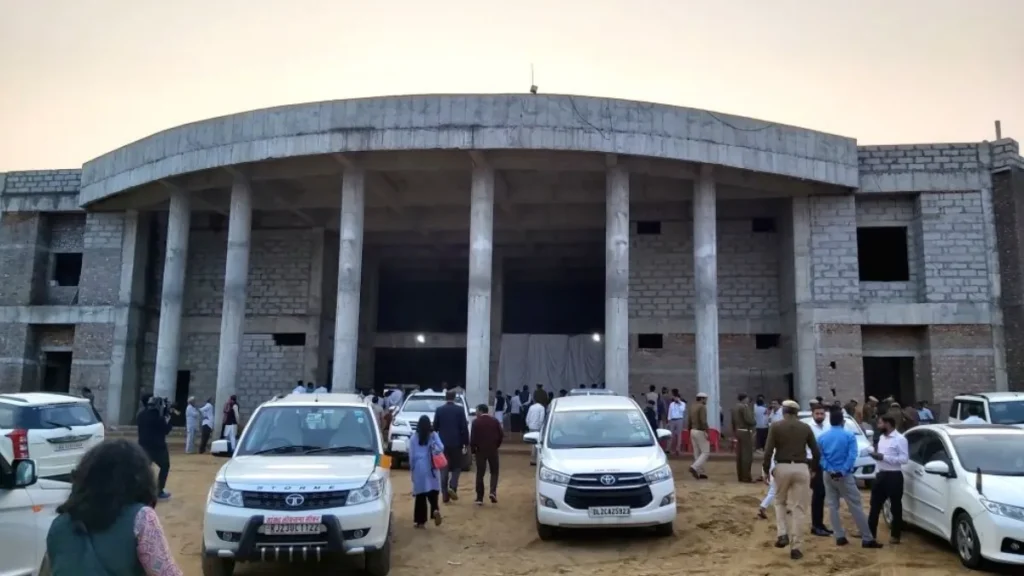
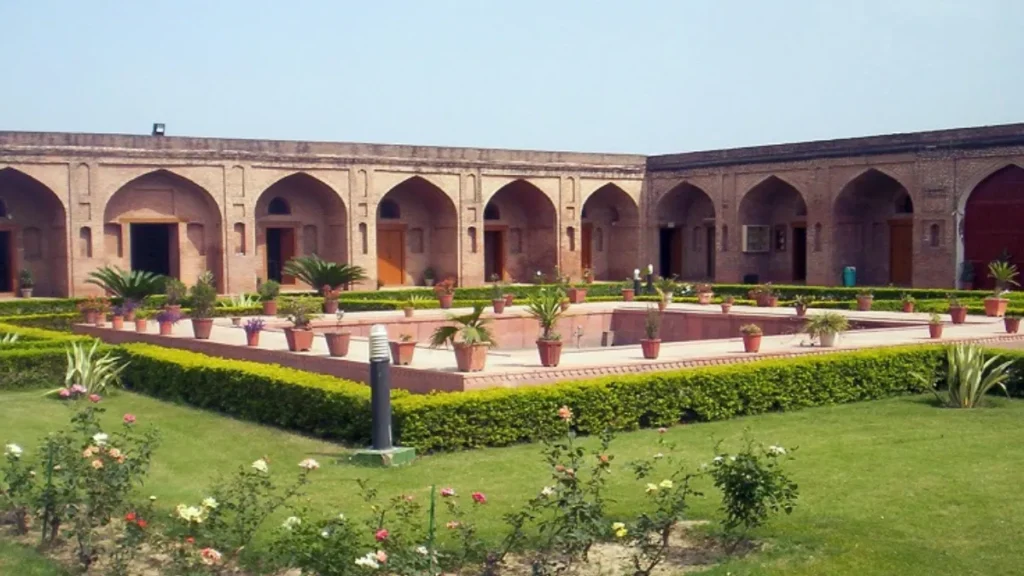
Rakhigarhi Museum Ticket Price: The much-anticipated Museum of Harappan Culture at Rakhigarhi is steadily emerging as one of India’s most significant heritage attractions. Located in Haryana’s Hisar district, this ancient settlement is widely regarded as the largest known site of the Indus Valley Civilization, offering rare insights into a culture that dates back thousands of years.
As the museum nears readiness in late 2025 and early 2026, many travelers are searching for practical details such as the Rakhigarhi museum ticket price and timings. While official information is still being finalized, available updates provide a helpful picture of what visitors can expect.
Rakhigarhi Museum Ticket Price and Timings: Current Status
At present, there is no officially published ticket price for the newly developed museum. Authorities have not yet confirmed entry fees for the general public, as the site is still undergoing phased development.
Similarly, the Rakhigarhi museum ticket price and timings remain provisional. Based on standard practices followed by government-managed heritage institutions, the museum is expected to operate during typical daytime hours-likely between 9:00 AM or 10:00 AM and 5:00 PM.
However, visitors should note that these timings are not yet fixed. Officials are expected to announce final schedules closer to full public opening.
For the most accurate and up-to-date information, travelers are advised to check with:
- The Haryana Department of Archaeology
- Local tourism offices in Hisar
- Official Haryana tourism platforms
These sources will provide confirmed details on ticket pricing and visiting hours once operations are fully formalized.
Location and Accessibility
Rakhigarhi is situated in:
- Village: Rakhigarhi
- Tehsil: Narnaund
- District: Hisar, Haryana
The site lies approximately 170 kilometers from Delhi, making it accessible by road within a few hours. Improved connectivity and infrastructure development are expected to further boost visitor access as the museum project progresses.
Best Time to Visit Rakhigarhi
Although the site is open throughout the year, the most comfortable time to visit is between October and March. During these months, the weather in Haryana remains relatively cool and suitable for exploring outdoor archaeological areas.
Summers, by contrast, can be extremely hot, which may limit the overall experience, especially for those planning extended visits to excavation zones.
A Site Still Under Development
Rakhigarhi is not yet a fully commercialized tourist destination. The museum and surrounding facilities are being developed as part of a broader initiative by both the Haryana state government and the central government to promote India’s ancient heritage.
Occasionally, authorities organize guided heritage walks and curated tours, allowing visitors to explore the site with expert insights. These programs are typically limited and may require prior coordination with local tourism departments.
Why Rakhigarhi Matters: A Window Into Ancient Civilization
Rakhigarhi is far more than a tourist attraction—it is a cornerstone of archaeological research in South Asia. The site has transformed our understanding of early urban life in the Indian subcontinent.
Scale and Significance
Spanning over 350 hectares, Rakhigarhi is larger than both Mohenjo-daro and Harappa, two of the most famous cities of the Indus Valley Civilization. Its sheer size indicates that it was once a thriving urban center.
Advanced Urban Planning
Excavations have revealed a remarkably organized city layout, including:
- Structured streets and lanes
- Houses built with mud bricks and baked bricks
- Sophisticated drainage systems
These features highlight a level of urban planning that was highly advanced for its time.
Archaeological Discoveries
Researchers have uncovered a wide range of artifacts, such as:
- Terracotta pottery and figurines
- Beads and ornaments
- A cylindrical seal bearing Harappan script and an animal motif
These findings offer valuable clues about trade, craftsmanship, and daily life in the ancient city.
Burial Practices
Excavations have also revealed burial sites containing skeletons and grave goods. These discoveries provide important insights into the social and ritual practices of the Harappan people.
A Timeline Stretching Back Millennia
Rakhigarhi’s origins are believed to date as far back as 6000 BCE, making it one of the oldest known pre-Harappan settlements. The site continued to develop through the mature Harappan phase (around 2500 BCE), reflecting a long and complex history of human habitation.
This extended timeline makes Rakhigarhi especially valuable for researchers studying the evolution of early civilizations in South Asia.
Government Plans and Future Prospects
The Indian government has identified Rakhigarhi as a key heritage destination with global potential. The upcoming Museum of Harappan Culture is being designed as a world-class interpretive center, aimed at:
- Showcasing artifacts and excavation findings
- Educating visitors about Harappan life and technology
- Promoting archaeological tourism
Once fully operational, the museum is expected to significantly enhance public engagement with India’s ancient past.
What Visitors Should Keep in Mind
If you are planning a trip, here are a few practical tips:
- Verify details in advance: Since the Rakhigarhi museum ticket price and timings are not yet finalized, always confirm before traveling.
- Plan for partial access: Some areas may still be under development.
- Consider guided tours: Heritage walks can provide deeper understanding of the site.
- Prepare for outdoor exploration: Comfortable clothing and hydration are essential, especially in warmer months.
Also Read: Rakhigarhi Museum: Exploring India’s Oldest Civilization Through Timeless Treasures
A Destination Worth Watching
Rakhigarhi stands at the intersection of history, archaeology, and tourism development. As work on the museum continues, it is poised to become one of India’s most important cultural destinations.
While the exact Rakhigarhi museum ticket price and timings are still awaited, the site already offers a compelling glimpse into one of the world’s earliest urban civilizations. For history enthusiasts and curious travelers alike, Rakhigarhi is a destination that promises both discovery and perspective-connecting modern India with its ancient roots.