Human skeletal remains recovered during recent excavations at Rakhigarhi in Haryana have been formally transferred by the Archaeological Survey of India (ASI) to the Anthropological Survey of India (AnSI) for detailed scientific examination. The move is expected to open a new phase of multidisciplinary research into one of the most important urban settlements associated with the Indus-Saraswati Civilization.
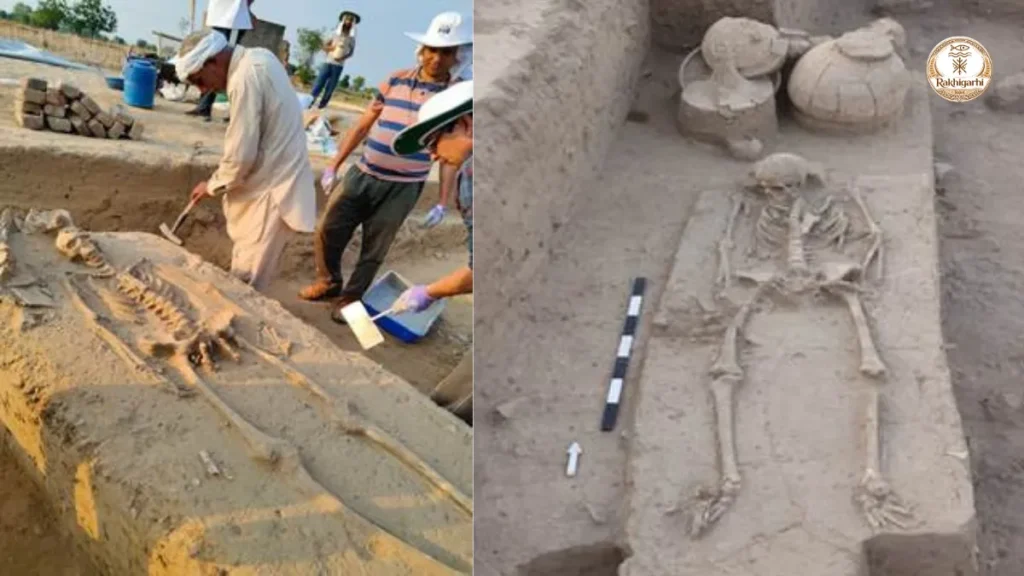
The remains, which include three complete human skeletons and skeletal fragments recovered from other burials, have been moved to the ancient human skeletal repository and laboratory of AnSI in Kolkata. Scientists are expected to examine the material using a combination of anthropology, archaeology, genetics, osteology, palaeopathology and environmental sciences.
The transfer has been carried out under a recently signed Memorandum of Understanding (MoU) between the ASI and AnSI. According to Prof. BV Sharma, Director of the Anthropological Survey of India, the initiative could substantially expand scientific research into the people who lived at Rakhigarhi thousands of years ago.
Rakhigarhi: One of the Largest Harappan Urban Settlements
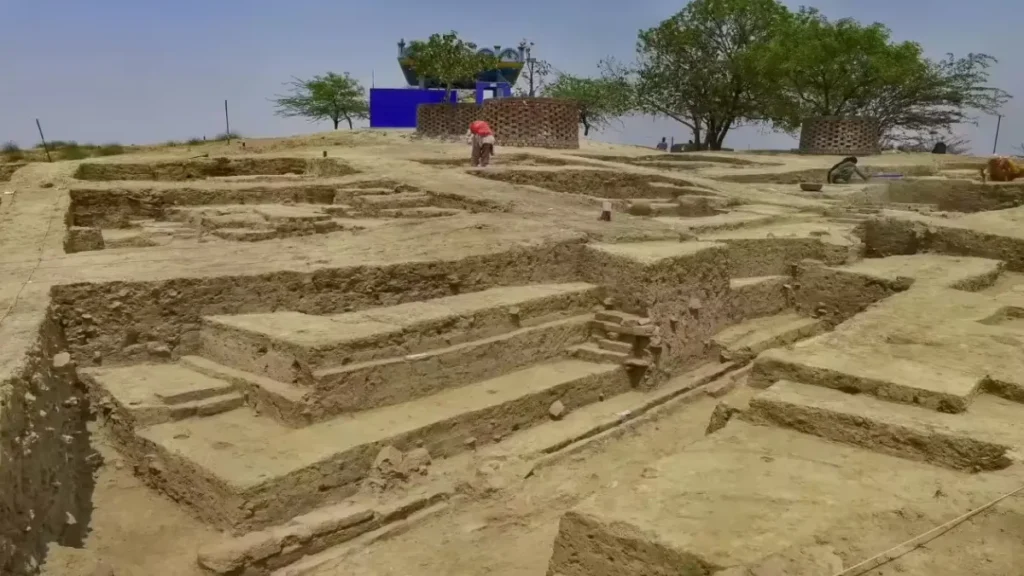
Located in Haryana, Rakhigarhi covers an area of approximately 550 hectares and is widely recognized as the largest known settlement associated with the Indus-Saraswati Civilization. The archaeological site has attracted considerable attention because of the scale of its settlement remains and the evidence it provides about urban life during the Harappan period.
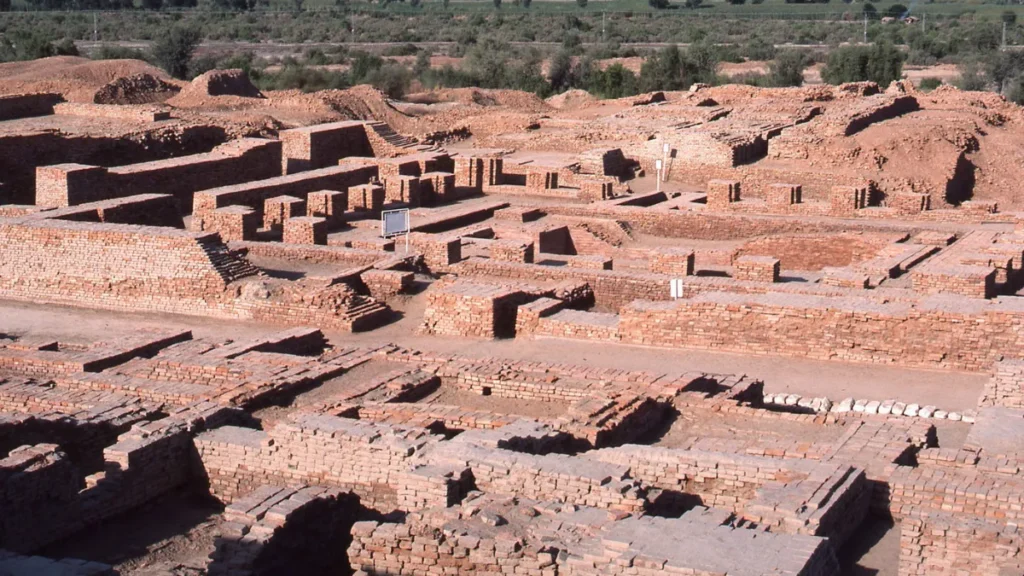
Excavations over the years have revealed signs of organized habitation and a developed urban system. Archaeologists have found evidence of planned settlements, drainage arrangements, craft production, trade activity and burial areas.
The site also represents a long period of occupation. Archaeological evidence indicates habitation from the Early Harappan period through the Mature Harappan phase. This continuity makes Rakhigarhi particularly important for researchers attempting to understand how settlements, communities and social structures changed over time.
The latest transfer of human remains is therefore significant because skeletal material can provide a different type of evidence from buildings, pottery, tools and other archaeological objects. Human bones can preserve information about age, sex, physical health, injuries, disease, diet and aspects of a person’s lifestyle.
Eight Burials Discovered During the 2025-26 Excavation Season
During the 2025-26 field season, the Archaeological Survey of India’s Excavation Branch-II, Greater Noida, carried out excavations at Rakhigarhi.
Eight burials were uncovered at Mound No. 7, an area that had previously been identified as a cemetery. The excavation produced three complete human skeletons as well as skeletal fragments associated with other burials.
The complete skeletons and the recovered fragments have now been transferred to AnSI’s ancient human skeletal repository and laboratory in Kolkata. The remaining skeletal material recovered from the excavation areas is also expected to be transferred shortly.
The scientific examination of these remains could provide researchers with information that cannot be obtained through archaeological structures alone. By studying bones and teeth, specialists can investigate physical characteristics, signs of disease, nutritional stress, injuries and other aspects of ancient human life.
Why the Rakhigarhi Skeletons Matter to Science
Human skeletal remains from archaeological sites are valuable sources of evidence because they provide a direct biological record of past populations.
In the case of Rakhigarhi, researchers hope that advanced scientific investigation will help answer questions about the people who lived at the settlement, including their ancestry, movement, diet, health and relationship with their surrounding environment.
Scientists can study bones to identify signs of physical stress and disease. Teeth may also preserve clues about childhood health and diet. Changes in skeletal structure can sometimes indicate occupational activities, repeated physical stress or other aspects of everyday life.
Researchers can also combine skeletal evidence with archaeological information. This allows them to place biological findings within the wider context of settlement patterns, burial practices, trade, agriculture and urban development.
Such an approach could help build a more detailed picture of everyday life during the Harappan period.
Ancient DNA Research Could Add a New Dimension
One of the most closely watched areas of the planned research is ancient DNA, commonly known as aDNA analysis.
Ancient DNA can sometimes survive inside archaeological human remains under suitable preservation conditions. When recoverable, genetic material can help researchers study relationships between ancient populations, ancestry, migration and genetic changes over time.
Padma Shri awardee Dr. Kumaraswamy Thangaraj, Senior Scientist at the Centre for Cellular and Molecular Biology (CCMB), Hyderabad, has welcomed the possibility of applying ancient DNA technology to the Rakhigarhi material.
According to him, genetic analysis could provide important information about the genetic history of the individuals and help scientists examine how human genomes changed, adapted and experienced natural selection from around 3000 BCE onward.
However, ancient DNA research is technically demanding. The recovery and interpretation of genetic material from archaeological remains requires careful laboratory procedures and specialist expertise. Researchers must also consider the possibility of contamination and the condition of the remains.
For this reason, genetic results are expected to be studied alongside archaeological, osteological and environmental evidence rather than being treated in isolation.
Collaboration Between Leading Research Institutions
AnSI has indicated that the Rakhigarhi research will involve collaboration with several scientific and academic institutions.
The proposed research network includes the Birbal Sahni Institute of Palaeosciences (BSIP) in Lucknow, University College London (UCL), and researchers from Banaras Hindu University (BHU) who specialize in ancient DNA studies.
Such collaboration is important because no single scientific discipline can answer all the questions surrounding an ancient population.
Anthropologists can study human skeletal biology, archaeologists can provide information about the settlement and burial context, geneticists can examine DNA, while isotope specialists can investigate aspects of diet and mobility.
Environmental scientists can also contribute information about climate and ecological conditions that may have influenced human communities.
Bringing these areas together could produce a much broader understanding of the people who lived at Rakhigarhi.
Researchers Welcome the Transfer of Human Remains
Scholars working in skeletal biology, archaeology and genetics have welcomed the decision to transfer the remains to AnSI for scientific study and preservation.
Professor Vijay Prakash, formerly associated with Andhra University, described the transfer as an important step toward ensuring that biological material recovered during archaeological excavations is properly examined and preserved by national research institutions.
He emphasized the importance of studying such material for future generations, particularly because archaeological human remains can provide evidence about populations that cannot be reconstructed from historical texts alone.
Professor Udai Pratap Singh of Lucknow University also described the development as an important milestone for palaeoanthropological research in India.
He pointed to AnSI’s experience in human biology and osteology, saying that the institution is well placed to investigate population history, health, lifestyle and cultural adaptation among people associated with the Indus-Saraswati Civilization.
What Osteological Studies Can Reveal
Osteology is the scientific study of bones. In archaeological research, it is an important method for reconstructing aspects of past human life.
Researchers examining the Rakhigarhi remains may look for evidence that can help determine biological characteristics and health conditions.
Bones can sometimes reveal fractures, infections, nutritional deficiencies and other pathological changes. They can also preserve evidence of physical stress that may have resulted from particular forms of work or repeated activity.
Such findings become especially valuable when combined with information from the archaeological site.
For example, evidence of certain health conditions could be compared with archaeological evidence concerning diet, sanitation, settlement organization and living conditions.
This approach could help researchers understand how urban life affected human health during one of the earliest periods of large-scale urban development in South Asia.
Stable Isotopes Could Provide Clues About Diet and Mobility
Another scientific method expected to play a role in the research is stable isotope analysis.
Isotopes preserved in human bones and teeth can sometimes provide clues about diet, geographical movement and environmental conditions during an individual’s lifetime.
Scientists may use such evidence to investigate whether people relied heavily on particular food sources or whether individuals moved between different geographical areas.
At Rakhigarhi, isotope research could therefore complement archaeological evidence related to agriculture, food production and trade.
The combined findings may help researchers understand whether the population was largely local or whether people from different regions contributed to the settlement’s growth.
Palaeopathology and the Health of Ancient Communities
Palaeopathology focuses on diseases and injuries found in ancient human remains.
The Rakhigarhi skeletons may offer researchers an opportunity to investigate the health conditions experienced by people living in an urban environment thousands of years ago.
Scientists can examine bones for signs of trauma, infection, degenerative changes and nutritional stress. While not every disease leaves visible evidence on skeletal remains, the conditions that do affect bones can provide important clues about the health of an ancient community.
AnSI has already undertaken palaeopathological research on skeletal remains recovered from several Indus-Saraswati sites. The institution is also preparing scientific publications based on those studies.
The Rakhigarhi material is expected to expand this research programme further.
Reviving Palaeoanthropological Research in India
Officials have pointed out that AnSI has a long history of osteological research involving human remains from archaeological sites.
The institution was established in 1945 and has maintained a tradition of research into human biology. However, research in some areas of palaeoanthropology declined over the years because of various institutional and technical challenges.
In recent years, AnSI has taken steps to revive this area of research by developing dedicated research teams and providing specialized training to scientific personnel.
The Rakhigarhi project is expected to strengthen those efforts.
The development could also help build scientific capacity in India by giving younger researchers opportunities to work with advanced methods used in palaeogenomics, skeletal biology and archaeological science.
Professor Gyaneshwer Chaubey of Banaras Hindu University has described the collaboration as an important step toward reconstructing the genomic history of the Harappan Civilization.
He has also emphasized that combining ancient DNA research with osteological and isotope studies can provide broader evidence about ancestry, health, mobility and lifestyle.
Such projects could simultaneously contribute to training a new generation of Indian scientists in palaeogenomics and related disciplines.
Research Could Help Examine the Impact of Urbanization
Anthropologist Professor Subhash Walimbe, formerly of Deccan College, Pune, has stressed the need for detailed anthropological examination of the remains.
One of the questions researchers may explore is how the development of urban settlements influenced human biology and health.
Urbanization can affect communities in several ways. Population density, sanitation, food availability, occupation, infectious diseases and changing lifestyles can all influence human health.
Because Rakhigarhi was a major settlement, its skeletal population could offer useful evidence for studying these issues in an early urban context.
Researchers may also compare the Rakhigarhi remains with skeletal material from other archaeological sites to identify similarities and differences between ancient populations.
Rakhigarhi and the Debate Over Population History
Genetic research connected with Rakhigarhi could also contribute to wider academic discussions about the origins and population history of the Harappan Civilization.
The history of the populations associated with the Indus-Saraswati Civilization remains an important area of archaeological and genetic research. Different forms of evidence, including archaeology, linguistics, skeletal biology and genetics, have been used to investigate population movements and cultural change.
The new research is not expected to answer every question on its own. Instead, scientists are likely to evaluate genetic findings alongside archaeological and anthropological evidence.
This multidisciplinary approach is particularly important when studying populations that lived thousands of years ago, where direct written records are limited or absent.
Plans for Wider Scientific Collaboration
AnSI also intends to expand cooperation with other scientific organizations.
Potential areas of collaboration include work with the Zoological Survey of India, Botanical Survey of India and Geological Survey of India, as well as research groups studying palaeoclimate.
The aim is to develop a broader scientific framework for understanding ancient communities and their environment.
Human populations did not live separately from their surroundings. Climate, water availability, vegetation, animals, soil conditions and changes in the landscape all influenced settlement and survival.
By studying these factors together, researchers can investigate how people adapted to environmental changes and how their surroundings shaped their lives.
Importance of Preserving India’s Ancient Biological Heritage
Former National Monument Authority Chairman Professor Kishore K. Basa has also welcomed the revival of skeletal biological research at AnSI.
Research on ancient human remains has relevance far beyond anthropology. It can contribute to studies of history, archaeology, population movements, nutrition, disease and genetics.
The preservation of skeletal remains is equally important. Archaeological discoveries are finite, and once excavated, the material must be carefully conserved so that future researchers can study it using technologies that may not yet exist.
Methods that are considered advanced today may eventually be replaced by more powerful techniques. Proper preservation therefore allows new generations of scientists to revisit archaeological material with improved tools and research methods.
Also read: What Is Rakhigarhi? Discover India’s Largest Indus Valley Civilization Site
A New Research Phase for Rakhigarhi
The transfer of human skeletal remains from Rakhigarhi to the Anthropological Survey of India represents a major effort to bring archaeological discoveries and modern scientific research closer together.
The three complete skeletons and other recovered material now provide researchers with an opportunity to investigate the biological history of people who lived at one of the most significant urban settlements of the Indus-Saraswati Civilization.
Ancient DNA, stable isotope analysis, osteology, palaeopathology and environmental research could each contribute different pieces of evidence. When combined, these findings may help scientists develop a clearer understanding of ancestry, migration, diet, health, disease, mobility and human adaptation.
The project could also strengthen India’s scientific infrastructure for the study of ancient populations and encourage greater cooperation between archaeological and scientific institutions.
For Rakhigarhi, the research represents another important chapter in the study of its ancient inhabitants. For Indian archaeology and anthropology, it offers the possibility of connecting the physical remains recovered from an archaeological site with modern scientific techniques capable of examining human history at a much deeper level.
As laboratory investigations progress and researchers compare the findings with evidence from other Indus-Saraswati sites, the Rakhigarhi remains could become an important source of information about the people, health, movement and biological history of one of the world’s earliest urban civilizations.